
Iron is an essential nutrient your body needs to function properly but not everyone needs to take an iron supplement. While some people benefit from extra iron, taking supplements when you don’t need them can cause side effects or even harm your health.
If you’re wondering whether an iron supplement is right for you, here’s what to know about iron’s role in the body, who may need more of it, and how to tell if you’re getting enough.
Why Iron Matters
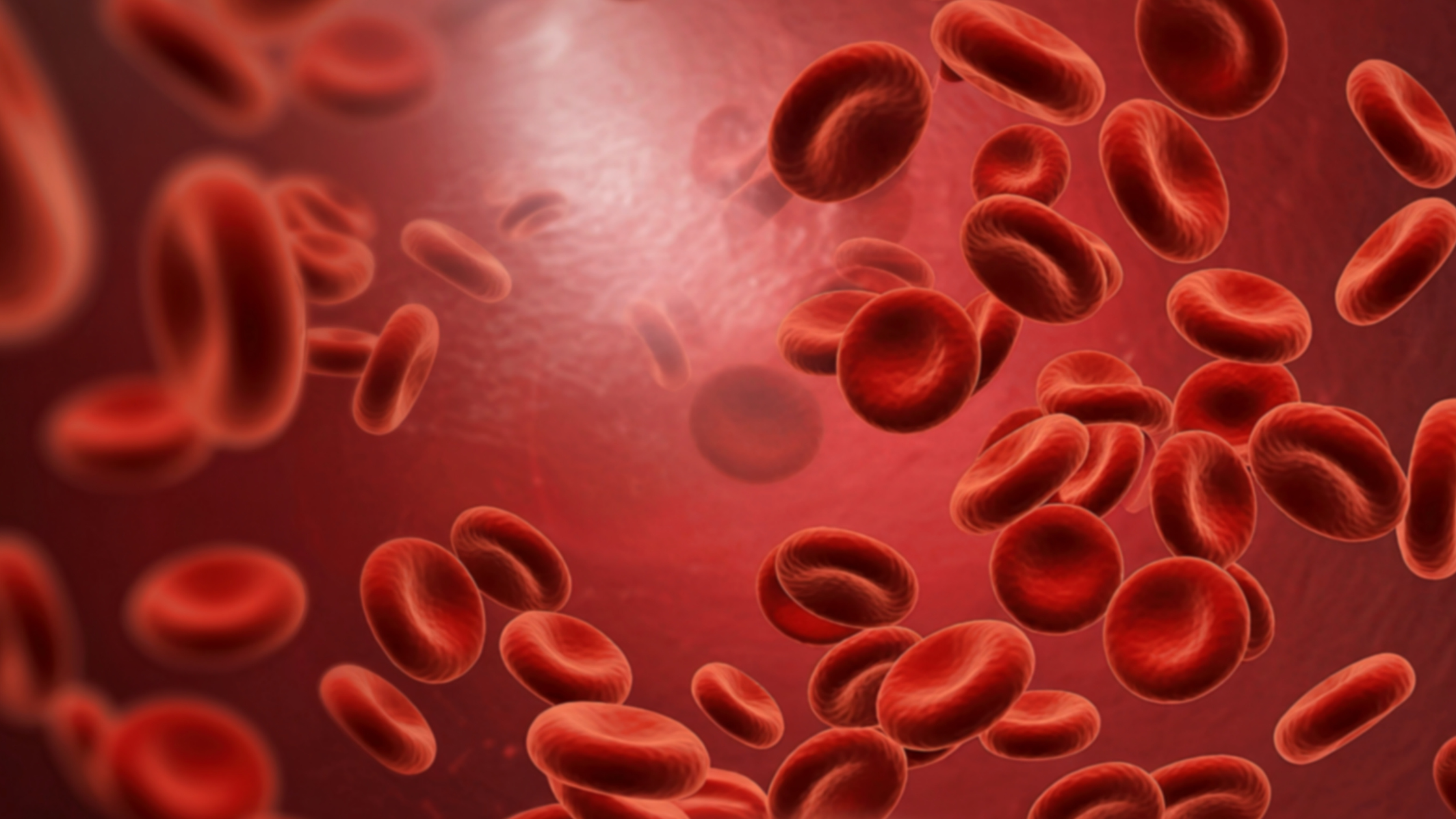
Iron helps your body produce hemoglobin, a protein in red blood cells that carries oxygen from your lungs to the rest of your body. When iron levels are too low, your body can’t make enough healthy red blood cells, leading to iron deficiency anemia. Low iron levels can affect energy, concentration, immune function, and overall health.
Signs of Low Iron
Iron deficiency can develop slowly, and symptoms may be mild at first. Common signs include:
Fatigue or weakness
Shortness of breath
Pale skin
Headaches or dizziness
Cold hands and feet
Brittle nails or hair loss
Difficulty concentrating
Cravings for non-food items like paint chips or dirt, a condition called pica
If you’re experiencing these symptoms, a simple blood test can check your iron levels.
Who Might Need an Iron Supplement?
Certain groups are more likely to have low iron and may benefit from supplementation if recommended by a healthcare provider.
1. People with Heavy Menstrual Periods
Regular blood loss during menstruation can lower iron levels over time.
2. Pregnant Individuals
Iron needs increase during pregnancy to support the growing baby and placenta and to increase blood volume.
3. Infants and Young Children
Rapid growth increases iron needs, especially for babies who are breastfed without iron supplementation after about six months.
4. Vegetarians and Vegans
Plant-based iron (non-heme iron) is not absorbed as easily as iron from animal sources, so intake needs to be higher.
5. People with Certain Medical Conditions
Conditions that affect nutrient absorption or cause blood loss may lead to low iron, including:
Gastrointestinal disorders (such as celiac disease or inflammatory bowel disease)
Kidney disease
History of weight-loss surgery
Frequent blood donation
6. Endurance Athletes
Long-distance runners and other endurance athletes may have increased iron needs due to higher red blood cell turnover.
Can You Get Enough Iron from Food?
Many people can meet their iron needs through diet alone.
Iron-rich foods include:
Lean red meat, poultry, and fish
Beans and lentils
Tofu
Spinach and other dark leafy greens
Fortified cereals and breads
Nuts and seeds
To improve absorption, pair iron-rich foods with vitamin C–rich foods like citrus fruits, tomatoes, or bell peppers.
Should You Take an Iron Supplement?
Iron supplements should only be taken if recommended by a healthcare provider. Too much iron can cause nausea or constipation, stomach pain, and even iron overload, which can damage organs over time. Your provider can order blood to determine whether supplementation is necessary and what dose is appropriate.
About RevanRx
Everyone deserves to have their pharmaceutical needs met without fear or embarrassment. RevanRx is a full-service and compounding pharmacy, specializing in the unique needs of the LGBT+ community in Oklahoma, Missouri, and Kansas.
We hope to increase patient adherence and access to care for those who would otherwise not feel comfortable receiving medications or medication counseling in a public setting, avoiding embarrassing public conversations, misgendering, or refusal of service. Visit us at Revanrx.com and like us on Facebook.