
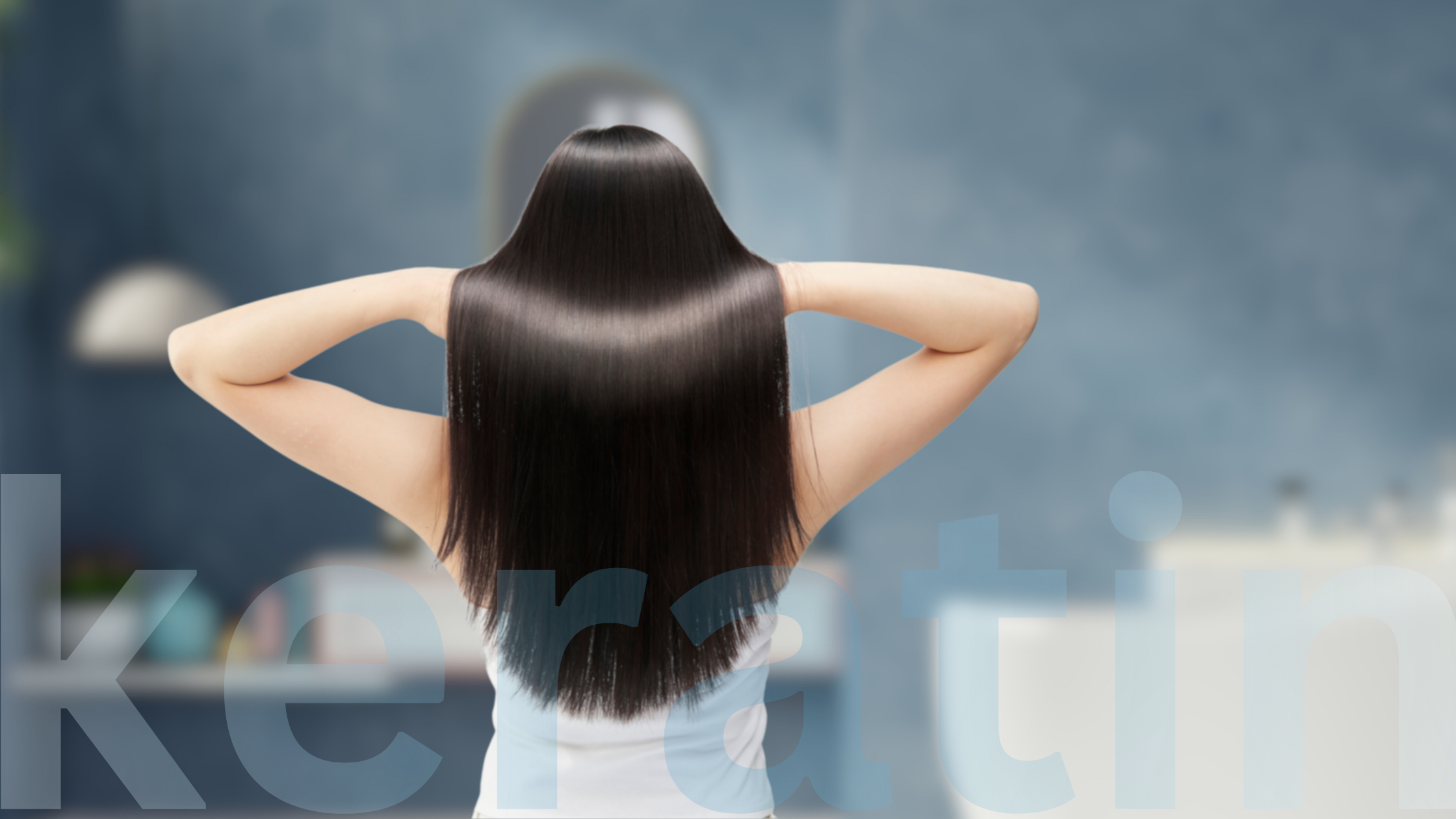
If you've ever shopped for hair care products, you've likely seen keratin listed as a key ingredient. It's often promoted as a solution for damaged hair, brittle nails, and even certain skin concerns. But what is keratin, and does it really make a difference? Let's take a closer look at this important protein and the role it plays in maintaining healthy hair, skin, and nails.
What Is Keratin?
Strong and fibrous, keratin helps provide protection, strength, and support to various tissues throughout the body. Keratin is a structural protein that serves as one of the primary building blocks of your hair, skin, and nails. It is also found in the lining of internal organs and glands. Your body naturally produces keratin, but factors such as aging, environmental exposure, nutritional deficiencies, and certain medical conditions can affect the health and appearance of keratin-rich tissues.
The two main types of keratins are alpha-keratin and beta-keratin. Alpha-keratin is found in human hair, skin, and nails. Beta-keratin is found in the feathers, beaks and claws of birds and the scales and claws of reptiles.
Keratin and Hair Health
Hair is made primarily of keratin. The protein forms strands that give hair its structure, strength, and elasticity. Over time, hair can become damaged by heat styling tools, chemical treatments such as coloring or perming, excessive sun exposure, chlorinated water, and environmental pollutants. When hair becomes damaged, the protective outer layer can weaken, leading to frizz, breakage, and a dull appearance.
Many shampoos, conditioners, masks, and salon treatments contain keratin to help temporarily smooth the hair's surface and reduce the appearance of damage. While these products can improve the look and feel of hair, they do not permanently repair damaged strands.
Keratin treatments, sometimes called smoothing treatments, are salon procedures designed to make hair appear smoother, shinier, and less frizzy. During a keratin treatment, a stylist applies a keratin-containing formula to the hair and seals it using heat from a flat iron. Results can last several weeks to several months, depending on the treatment and hair type. While many people enjoy the cosmetic benefits, there are some considerations:
Results are temporary.
Treatments can be expensive.
Some formulations may contain formaldehyde or chemicals that release formaldehyde when heated.
Because formaldehyde exposure can irritate the eyes, skin, and respiratory system, consumers should ask about ingredients before receiving a keratin treatment.
Keratin and Nail Health
Like hair, nails are largely composed of keratin. Healthy keratin production helps maintain strong, resilient nails. Nails may become brittle or weak due to aging, frequent exposure to water, nutritional deficiencies, certain medications, medical conditions such as thyroid disorders. While many nail-strengthening products contain keratin, overall nail health often depends more on adequate nutrition, hydration, and minimizing damage from harsh chemicals and excessive manicures.
Keratin and Skin Health
Keratin also plays an important role in maintaining the skin's protective barrier. Specialized skin cells called keratinocytes produce keratin, helping shield the body from environmental threats, bacteria, and moisture loss. Certain skin conditions involve abnormalities in keratin production, including keratosis pilaris, psoriasis, and some forms of eczema.
Although skincare products may contain keratin or keratin-derived ingredients, their benefits are generally focused on moisturizing and improving the appearance of the skin rather than dramatically changing keratin levels.
Can You Increase Keratin Naturally?
Your body produces keratin using nutrients obtained from food. While there is no magic food that directly boosts keratin production, consuming a balanced diet can support healthy hair, skin, and nails. Key nutrients involved in keratin production include proteins, biotin, iron, zinc, and vitamins A and C.
Food Sources to Boost Keratin
Below are some of the best food sources from which you can obtain optimum amounts of keratin.
Protein to boost keratin
Lean meats
Fish
Eggs
Dairy products
Beans
Lentils
Soy products
Biotin to boost keratin
Eggs
Nuts
Seeds
Sweet potatoes
Whole grains
Iron to boost keratin
Lean red meat
Poultry
Beans
Spinach
Fortified cereals
Zinc to boost keratin
Shellfish
Meat
Dairy products
Nuts
Legumes
Do Keratin Supplements Work?
Keratin supplements are marketed for improving hair, skin, and nail health. However, research on their effectiveness remains limited. Some supplements combine keratin with vitamins and minerals such as biotin, zinc, and collagen. While these nutrients may help individuals with deficiencies, supplements are not a guaranteed solution for hair growth or stronger nails. For most people, focusing on a nutritious diet is the best foundation for supporting healthy keratin production.
Before starting any supplement, speak with your healthcare provider and/or pharmacist. This is especially important if you take medications or have underlying health conditions to ensure the supplements do not trigger side effects or counteract medication efficacy.
About RevanRx
Everyone deserves to have their pharmaceutical needs met without fear or embarrassment. RevanRx is a full-service and compounding pharmacy, specializing in the unique needs of the LGBT+ community in Oklahoma and Missouri.
We hope to increase patient adherence and access to care for those who would otherwise not feel comfortable receiving medications or medication counseling in a public setting, avoiding embarrassing public conversations, misgendering, or refusal of service. Visit us at Revanrx.com and like us on Facebook.